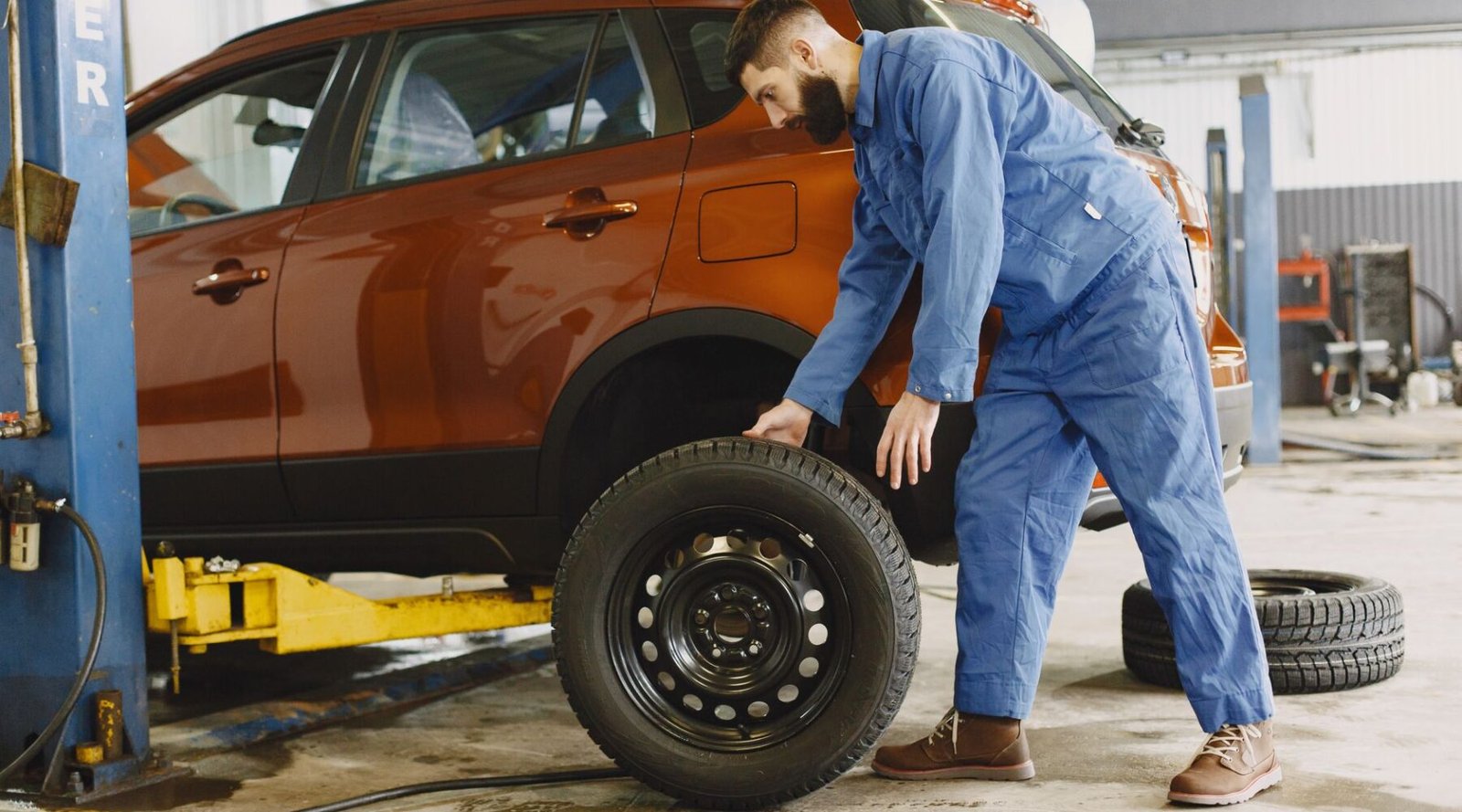
How often should you rotate your tires? This is a crucial question for any vehicle owner who wants to ensure the longevity and safety of their tires. Regular tire rotation is an essential maintenance task that can significantly enhance the performance and lifespan of your tires. By understanding the importance of tire rotation and adhering to a proper schedule, you can maintain optimal handling, improve fuel efficiency, and extend the life of your tires.
Understanding tire wear patterns
Tires wear differently depending on various factors, including the vehicle’s weight distribution, alignment, and driving habits. For instance, front tires typically wear faster than rear tires on front-wheel-drive vehicles because they bear the brunt of acceleration and steering forces. Conversely, on rear-wheel-drive vehicles, rear tires may experience more wear due to their role in propulsion.
Additionally, aggressive driving, frequent hard braking, and cornering can exacerbate uneven wear. Regularly rotating your tires helps to mitigate these wear patterns by redistributing the load and allowing each tire to wear more evenly.
Recommended tire rotation intervals
Most tire manufacturers and automotive experts recommend rotating your tires every 5,000 to 7,500 miles. However, specific recommendations may vary based on the type of vehicle you drive, the type of tires you have, and your driving conditions. Always consult your vehicle’s owner manual for the manufacturer’s guidelines.
For high-performance or specialty tires, the rotation interval may differ. For example, if you drive a sports car or use tires designed for specific conditions like off-roading, you may need to adjust your rotation schedule. Similarly, if you frequently drive in harsh conditions—such as on rough terrain, in heavy traffic, or in extreme weather—more frequent rotations may be necessary.
Signs your tires need rotation
While adhering to a recommended schedule is crucial, there are signs that indicate your tires may need rotation sooner. Look for the following symptoms:
- Uneven tread wear: Inspect your tires for uneven wear patterns. If you notice that one side of the tire is more worn than the other, it may be time for a rotation.
- Pulling to one side: If your vehicle tends to pull to the left or right while driving, it could indicate uneven tire wear, suggesting a rotation is needed.
- Vibration: Excessive vibration while driving can signal that your tires are out of balance or unevenly worn.
The tire rotation process
Rotating your tires is a straightforward process that can be performed by a professional mechanic or, for the more DIY-inclined, at home with the right tools. The basic steps include:
- **Lift the vehicle:** Use a jack to lift the vehicle off the ground, ensuring it is stable and secure.
- **Remove the tires:** Take off the lug nuts and carefully remove the tires from the wheel hubs.
- **Rotate the tires:** Depending on your vehicle’s drive type (front-wheel, rear-wheel, or all-wheel drive), reposition the tires accordingly. For example, on a front-wheel-drive vehicle, the front tires typically move to the rear on the same side, while the rear tires move to the front but switch sides.
- **Reinstall and tighten lug nuts:** Reattach the tires and securely tighten the lug nuts in a star pattern to ensure even pressure.
- **Lower the vehicle:** Carefully lower the vehicle back to the ground.
Additional tire maintenance tips
In addition to regular tire rotation, maintaining proper tire pressure is vital for optimal performance. Under-inflated tires can lead to increased wear and reduced fuel efficiency, while over-inflated tires can compromise traction and stability. Check tire pressure monthly and before long trips.
Furthermore, regular alignment checks are essential to ensure that your tires wear evenly. Misalignment can lead to premature wear and can affect your vehicle’s handling. If you notice any unusual steering behavior or if your vehicle pulls to one side, have a professional alignment performed.
Conclusion
How often you should rotate your tires is an important aspect of vehicle maintenance that directly impacts safety and performance. By following recommended rotation intervals, keeping an eye out for signs of uneven wear, and adhering to additional maintenance tips, you can maximize the life of your tires and ensure a smooth, safe driving experience. Regular tire rotation is not just a suggestion; it is a necessary practice for responsible vehicle ownership.
Understanding the impact of tire rotation on vehicle safety and performance
Tire rotation is not merely a routine maintenance task; it plays a crucial role in the overall safety and performance of your vehicle. The act of rotating tires helps to ensure even wear across all tires, which is essential for maintaining optimal handling, traction, and braking capabilities. Uneven tire wear can lead to compromised vehicle dynamics, especially during adverse weather conditions.
To appreciate the importance of regular tire rotation, consider how the weight distribution in a typical vehicle affects tire wear. The front tires of a vehicle often bear a heavier load due to the engine’s location and the steering mechanism. In front-wheel-drive vehicles, the front tires also handle the drive power, leading to accelerated wear on those tires compared to the rear. Conversely, rear tires on all-wheel-drive or rear-wheel-drive vehicles may experience different wear patterns based on the drivetrain configuration. Thus, rotating your tires is essential to counteract these natural tendencies.
For example, a front-wheel-drive sedan might show significant wear on the front tires after just a few thousand miles if rotation is neglected. A driver may find they need to replace front tires much sooner than anticipated, leading to increased costs and potential safety risks. In contrast, regular rotation could extend the lifespan of all tires, promoting balanced performance and a safer driving experience.
“Regular tire rotation not only improves the lifespan of your tires but also enhances vehicle safety and driving comfort.”
Furthermore, understanding the specific wear patterns can help you tailor your rotation schedule. For instance, if you frequently drive on rough roads or engage in aggressive driving, you may notice uneven wear more quickly. In such cases, you should consider rotating your tires more often than the standard recommendations. Conversely, if your driving habits are mild and you primarily drive on smooth highways, you might find that sticking to the manufacturer’s recommendations suffices.
Another important aspect of tire rotation involves monitoring tread depth. Using a tread depth gauge can help you assess whether your tires are wearing evenly. If, after rotation, you notice one tire is consistently more worn than the others, it may indicate an alignment issue or a problem with suspension components. Addressing these issues promptly not only promotes tire longevity but also enhances overall vehicle safety.
Additionally, modern technology has led to advancements in tire manufacturing, with some tires designed to wear more evenly than others. For example, tires with asymmetrical tread patterns may offer better performance and wear characteristics. However, even these high-performance tires benefit from regular rotation. Always refer to the manufacturer’s guidelines specific to your tire model to ensure you are optimizing their lifespan.
In summary, the practice of tire rotation is a fundamental aspect of vehicle maintenance that transcends a mere schedule. It is a proactive approach to vehicle safety, performance, and cost-effectiveness. By understanding the dynamics of tire wear, adjusting your rotation frequency based on driving conditions, and keeping an eye on tread depth, you can significantly enhance your driving experience and extend the life of your tires.
Understanding the impact of tire rotation on performance
Tire rotation is more than just a routine maintenance task; it significantly impacts your vehicle’s performance, safety, and overall cost of ownership. Regularly rotating your tires can extend their lifespan, improve fuel efficiency, and enhance handling and traction.
Tires wear differently based on their position on the vehicle. For instance, front tires often bear more weight and experience more friction due to steering and braking forces. This leads to uneven wear compared to rear tires. If you drive a front-wheel-drive vehicle, your front tires may wear out up to 30% faster than the rear tires. Understanding these dynamics is critical for optimizing tire life and vehicle safety.
Furthermore, tire rotation helps maintain balanced handling and traction across all four tires. Uneven tire wear can lead to compromised grip, especially in adverse weather conditions. This is particularly important in regions with heavy rainfall or snow, where tire performance can be the difference between safety and a potential accident. For example, if the front tires are significantly worn and the rear tires are relatively new, it can create an imbalance that affects steering response and braking distances.
Another factor to consider is the alignment and balance of your tires. Misalignment can lead to uneven wear and negatively impact your vehicle’s handling. If you notice your vehicle pulling to one side or if your steering wheel is off-center when driving straight, it may be time for a wheel alignment. Regular tire rotations can help identify these issues early, allowing for timely corrective actions.
“Tire rotation is a preventative measure that can save you from unexpected expenses down the line and ensure your vehicle handles as intended.”
When discussing tire rotation, it’s also essential to consider the type of tires on your vehicle. For instance, all-season tires behave differently than performance or winter tires. Performance tires might require more frequent rotations due to their softer rubber compounds, which can wear down faster under aggressive driving conditions. Conversely, winter tires should be rotated to ensure even wear, especially if they are used in tandem with all-season tires during transitional seasons.
In terms of practical application, most manufacturers recommend rotating tires every 5,000 to 7,500 miles, but this can vary based on driving habits and tire type. Keeping a tire rotation schedule in conjunction with regular maintenance, such as oil changes and brake checks, can help create a comprehensive vehicle care plan that maximizes performance and safety.
Finally, it is worth noting the advancements in tire technology. Many modern tires come with tread wear indicators that provide visual cues when tire rotation or replacement is necessary. Utilizing these indicators can help drivers stay proactive about tire maintenance, ensuring that rotation happens at the right intervals and that tires remain safe for driving.
In conclusion, understanding the nuances of tire rotation and its effects on handling, safety, and tire longevity is crucial. By staying diligent about rotation schedules and being aware of your vehicle’s specific needs, you can greatly enhance your driving experience and reduce long-term costs associated with tire replacement and maintenance.
Understanding tire rotation patterns for longevity
One critical aspect of tire maintenance that can significantly extend the life of your tires is understanding the different rotation patterns and how they relate to your vehicle type and driving conditions. Many drivers are familiar with the basic concept of rotating tires, but they may not realize that there are specific patterns designed for different vehicles, which can greatly affect tire wear and performance.
For example, front-wheel drive vehicles typically experience more wear on the front tires because they handle the majority of the braking and steering forces. A common rotation pattern for these vehicles is the “forward cross” pattern, where the front tires are moved to the rear on the same side, and the rear tires are crossed to the front. This helps to equalize the wear across all four tires, potentially extending their lifespan by several thousand miles.
In contrast, all-wheel drive (AWD) vehicles require a different approach. Due to the constant engagement of all four tires, a “rearward cross” rotation pattern is often recommended, where the rear tires move to the front and the front tires are crossed to the rear. This helps to maintain balanced traction and handling, which is crucial for the safety and performance of AWD vehicles, especially in adverse weather conditions.
Additionally, performance vehicles or those equipped with staggered tire setups, where the rear tires are wider than the front, necessitate a unique rotation strategy. These vehicles typically do not require traditional rotation since the tire sizes differ. However, it’s still essential to regularly check tire pressure and tread depth, as uneven wear can lead to compromised handling and increased risk of blowouts.
“Understanding the specific needs of your vehicle can make a significant difference in tire longevity and performance.”
Moreover, driving conditions can also influence the choice of rotation pattern. For instance, if you frequently drive on rough or unpaved roads, or in climates with harsh winters, your tires may wear unevenly. In such cases, more frequent rotations may be necessary to combat the effects of increased wear. In fact, drivers who regularly encounter these conditions should consider rotating their tires every 3,000 to 5,000 miles as a precautionary measure.
It’s also essential to monitor tire pressure regularly. Under-inflated tires can lead to excessive wear on the outer edges, while over-inflated tires may wear more in the center. Keeping your tires properly inflated not only enhances safety but also optimizes their lifespan.
Ultimately, understanding these rotation patterns tailored to your vehicle and driving habits can help you make informed decisions regarding tire maintenance. By implementing the correct rotation strategy and being proactive about tire care, you can maximize both the longevity and performance of your tires, ensuring a safer and more cost-effective driving experience.
Related reading: Understanding real-world engine oil change intervals and service needs, and Clear technical indicators that your engine requires fresh oil. For an outside reference on this topic, see NHTSA's vehicle resources.



1 Response