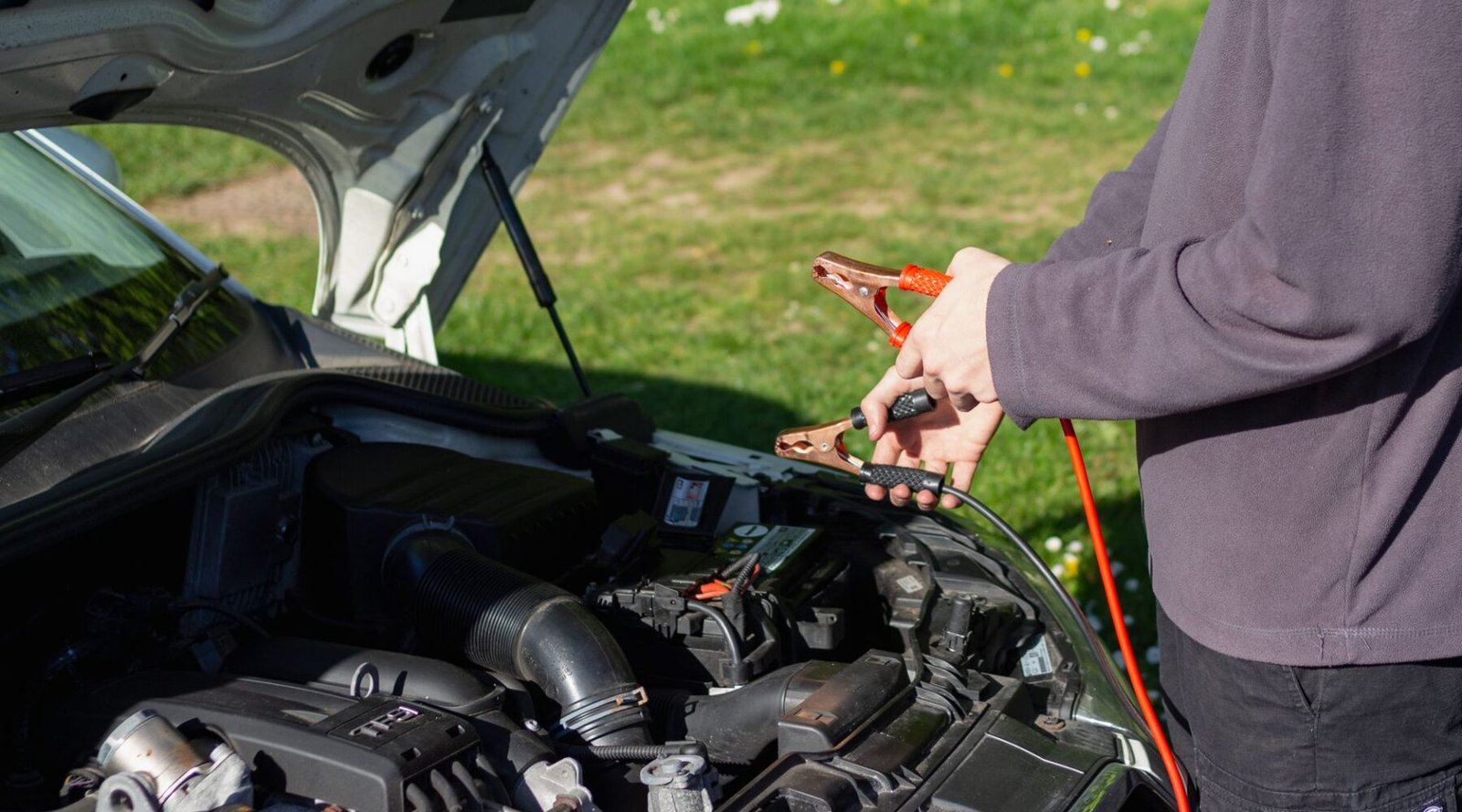
Your car battery is a critical component that powers your vehicle’s electrical systems and starts the engine. Over time, batteries can weaken and fail, leading to unexpected issues like difficulty starting your car. Understanding how to tell if your car battery is dying can save you from inconvenient breakdowns and costly repairs.
Common signs of a dying car battery
Recognizing the signs of a failing battery is essential. Here are some of the most common indicators that your car battery may be nearing the end of its life:
1. Slow engine cranking
If your engine takes longer than usual to crank or seems sluggish when you turn the key, it may be a sign that your battery is losing its charge. This slow response can indicate that the battery is struggling to provide enough power to start the engine.
2. Dim or flickering lights
Observe your headlights and dashboard lights. If they appear dim, flicker, or seem inconsistent, this may indicate that your battery is unable to maintain a stable charge. Dimming lights can also suggest that the alternator is failing, but often it’s the battery that is the primary culprit.
3. Warning lights on the dashboard
Many vehicles have a battery warning light on the dashboard that illuminates when there is an issue with the battery or charging system. If this light comes on, it’s a clear indication that you should check the battery and possibly have it tested. Ignoring this warning can lead to complete battery failure.
Battery age and maintenance
The average lifespan of a car battery is typically three to five years, although some batteries can last longer with proper maintenance. To determine the health of your battery, consider its age. If your battery is approaching the three-year mark or older, it’s wise to have it tested regularly, especially in extreme weather conditions.
4. Corrosion and physical damage
Inspect the battery terminals and cables for any signs of corrosion, which can appear as a white, ashy substance. Corroded terminals can impede the flow of electricity and lead to battery failure. Additionally, check for any physical damage, such as cracks in the battery casing or leaks. These issues can compromise the battery’s functionality and should be addressed immediately.
5. Unusual smells or sounds
If you notice any unusual smells, such as a rotten egg odor, it could indicate a leaking battery. This issue can be dangerous and requires immediate attention. Similarly, if you hear clicking or grinding noises when trying to start your vehicle, this could be a sign of battery or starter problems.
Testing your car battery
If you suspect your battery is dying, it’s crucial to test it. Most auto parts stores offer free battery testing services. They will use a multimeter to check the voltage. A healthy battery should read around 12.6 volts or higher when the engine is off. If the voltage is between 12.4 and 12.6 volts, the battery is moderately charged but may be on the decline. A reading below 12.4 volts indicates a weak battery that may need replacement.
Using a multimeter for DIY testing
If you prefer to test the battery yourself, you can purchase a multimeter at an auto parts store. First, ensure the car is off. Connect the multimeter’s red lead to the positive terminal and the black lead to the negative terminal. A reading of 12.0 volts or less while the engine is off suggests the battery may be failing.
Replacing your car battery
If you determine that your battery is indeed dying, replacing it is essential for ensuring the reliable performance of your vehicle. When selecting a new battery, consider factors such as the battery type, size, and the vehicle’s specific requirements. Most modern vehicles use absorbed glass mat (AGM) or lead-acid batteries.
When installing a new battery, always follow safety precautions. Wear gloves and eye protection, and ensure the vehicle is turned off. Remove the negative terminal first, followed by the positive terminal. Install the new battery by connecting the positive terminal first, followed by the negative terminal.
Preventive measures for battery life
To extend the life of your car battery, consider implementing preventive measures. Regular maintenance, such as cleaning the terminals and checking for corrosion, can help maintain optimal battery performance. Additionally, minimize short trips that don’t allow the battery to fully recharge. Keeping your vehicle in a garage or shaded area can also protect the battery from extreme temperatures, which can shorten its lifespan.
In conclusion, knowing how to tell if your car battery is dying is vital for any car owner. By recognizing the signs of a failing battery, testing it regularly, and taking preventive measures, you can ensure that your vehicle remains reliable and ready to go when you are. Regular maintenance and timely replacement will save you from the inconvenience of unexpected breakdowns and keep your vehicle running smoothly.
Understanding the lifespan and maintenance of your battery
Car batteries typically last between three to five years, depending on several factors including usage, climate, and maintenance practices. Understanding these factors can help you anticipate when your battery may need replacement, and how to extend its lifespan.
One crucial aspect affecting your battery’s longevity is the climate in which you live. Extreme temperatures can have a significant impact on battery performance. In colder climates, the chemical reactions required to start your engine slow down, making it harder for the battery to deliver the necessary power. Conversely, excessive heat can cause battery fluid to evaporate, leading to internal damage. For instance, if you live in an area with particularly hot summers, your battery may only last around three years rather than the full five.
Another factor is your driving habits. Frequent short trips prevent your battery from fully charging, which can lead to a gradual decline in battery health. A battery requires a good charge cycle to maintain optimal performance; if you mostly drive short distances, consider taking longer drives periodically to keep the battery charged. Alternatively, investing in a battery maintainer can help keep your battery healthy if your vehicle is not used often.
Additionally, regular maintenance can significantly extend the life of your battery. Keeping the battery terminals clean and free from corrosion is essential. Corrosion can lead to poor electrical connections, making it harder for your car to start. You can clean the terminals using a mixture of baking soda and water. Just ensure the car is off, and wear gloves and safety goggles to protect yourself from any battery acid.
Battery testing is another critical element of maintenance. Many auto parts stores offer free battery testing services. They can check the battery’s voltage and assess its overall health. This proactive approach can help you catch potential issues before they become serious problems.
Real-life examples highlight the importance of being attentive to your battery’s condition. A driver in a northern state noticed their car was slow to start on particularly cold mornings. Rather than ignoring this sign, they had their battery tested and discovered it was nearing the end of its lifespan. They replaced it proactively, avoiding the risk of being stranded in freezing temperatures. In contrast, another driver ignored the warning signs and ended up with a dead battery on a busy highway, requiring a costly tow and replacement.
Understanding the lifespan of your battery and implementing proper maintenance can save you from inconvenient breakdowns and extend the life of your vehicle’s electrical system. By being proactive, you can ensure your vehicle remains reliable and avoid costly repairs down the line.
“A well-maintained battery not only enhances the reliability of your vehicle but also contributes to its overall performance and safety.”
Understanding battery testing methods
While observing signs of a dying car battery is crucial, conducting a battery test provides a more definitive assessment of its health. There are several methods to test a car battery, each with varying degrees of accuracy and ease. Understanding these methods can empower you to make informed decisions about battery maintenance or replacement.
One common method is the use of a multimeter, a tool that measures voltage and electrical current. To test your battery using a multimeter, follow these steps:
1. **Turn off your vehicle**: Ensure that your vehicle is turned off to get an accurate reading.
2. **Set the multimeter**: Switch the multimeter to the DC voltage setting, typically marked as “V” with a straight line and dotted line beneath it.
3. **Connect the leads**: Attach the red lead to the positive terminal of the battery and the black lead to the negative terminal.
4. **Read the voltage**: A healthy, fully charged battery should read around 12.6 volts or higher. If the voltage is between 12.4 and 12.6 volts, the battery is moderately charged. Readings below 12.4 volts indicate a discharging battery, while anything below 12 volts suggests that the battery is likely dead or dying.
For a more comprehensive evaluation, you may consider a load test, which simulates the demand placed on the battery during engine start-up. This test can help identify batteries that may appear healthy under no load but fail when the engine requires cranking power. To perform a load test:
1. **Obtain a load tester**: Load testers are available at auto parts stores or can be rented from some tool rental services.
2. **Connect the load tester**: Attach the positive and negative clamps of the load tester to the respective battery terminals.
3. **Apply the load**: Follow the manufacturer’s instructions to apply a load equivalent to half of the battery’s cold cranking amps (CCA) rating for 15 seconds.
4. **Check the voltage drop**: While under load, the voltage should not drop below 9.6 volts. If it does, the battery is weak and may not reliably start your vehicle.
In addition to these tests, some modern vehicles are equipped with onboard diagnostics that can provide battery health information. Accessing these diagnostics typically requires an OBD-II scanner, which can read fault codes and system status, including battery condition. If your vehicle has this capability, it can save time and provide more tailored insights into your battery’s performance.
It is also worth considering environmental factors that can influence battery life. For example, extreme temperatures can accelerate battery deterioration. If you live in an area with harsh winters or hot summers, taking preventive measures, like using a battery maintainer during long periods of inactivity, can extend battery life.
Ultimately, regular monitoring and testing of your battery can help you avoid unexpected breakdowns. While visual inspections and signs of sluggishness are important, employing these testing methods ensures that you have a more accurate picture of your battery’s health, allowing you to take proactive steps before it fails entirely.
Understanding battery maintenance and testing
Once you suspect your car battery may be dying, it’s essential to not only recognize the symptoms but also to take proactive steps in maintenance and testing. Many drivers overlook the importance of regular battery checks and maintenance, which can greatly extend the life of your battery.
One effective method for monitoring battery health is to perform a load test. A load test measures the battery’s ability to hold a charge and deliver adequate current. This test can be done at home with a multimeter or at an auto parts store, where they often provide this service for free. To conduct a basic load test at home, follow these steps:
1. Turn off your vehicle and ensure all electrical components are also off.
2. Set your multimeter to the DC voltage setting.
3. Connect the multimeter leads to the battery terminals: red to positive and black to negative.
4. A healthy battery should read between 12.4 and 12.7 volts. If the reading is lower than 12.4 volts, your battery may be losing its capacity.
After obtaining the initial voltage reading, perform the load test by turning on the headlights for about 10 seconds, then turning them off. This simulates a load on the battery. Wait a moment, then check the voltage again. If the voltage drops below 12 volts during this test, your battery may be weak and require replacement.
In addition to testing, it’s vital to maintain your battery properly. Corrosion on battery terminals can impede performance. Regularly inspect the terminals for any signs of corrosion, which appears as a white, ashy substance. You can clean this off using a mixture of baking soda and water. Apply the solution to the terminals, scrub gently with an old toothbrush, and rinse with water. Be sure to reconnect the terminals securely to prevent any connection issues.
Furthermore, consider investing in a battery maintainer or trickle charger if your vehicle is not driven frequently. These devices keep the battery charged at optimal levels, preventing sulfation—a condition that occurs when a lead-acid battery sits unused for extended periods, leading to permanent capacity loss.
Another aspect of battery maintenance is the environmental conditions in which your vehicle operates. Extreme temperatures can significantly impact battery performance. In cold weather, chemical reactions within the battery slow down, reducing its ability to start your car. Conversely, excessive heat speeds up the battery’s chemical reactions, leading to faster wear and potential failure. If you live in an area with extreme temperatures, consider a battery designed to withstand these conditions.
Finally, keep a record of your battery’s age and performance history. Just like any other component of your vehicle, batteries have a finite lifespan, typically around three to five years. Knowing when you last replaced your battery can guide you in anticipating when it may need to be replaced again.
By combining regular testing, maintenance, and awareness of your battery’s environment and lifespan, you can significantly enhance your vehicle’s reliability and avoid the inconvenience of a dying battery.
Related reading: How to reset a check engine light, and How to replace a flat tire: a step-by-step guide. For an outside reference on this topic, see NHTSA's vehicle resources.



3 Responses